
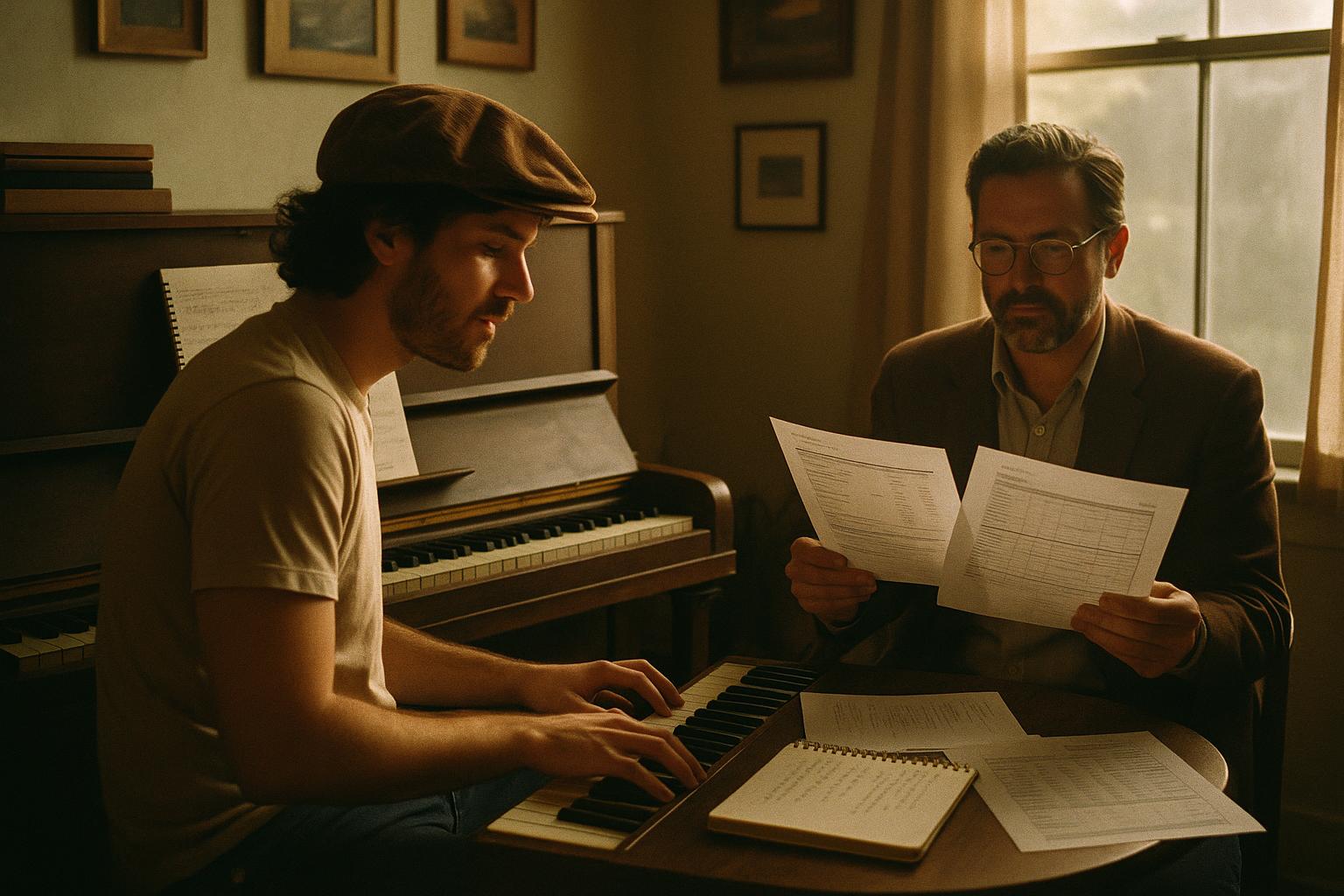
Unlock recurring sync income with practical routes to TV music placement
If you’re building a placement-ready catalog, pitching for film and TV, or sourcing high-quality, clearable music as a sync supervisor, this guide breaks down proven steps to secure TV music placement, monetize effectively, and grow your catalog with One World Media as a trusted partner for publishing, rights administration, distribution, and artist development. We’ll cover rights readiness, metadata discipline, producer–writer collaboration, and workflows that accelerate approvals in Los Angeles and beyond.
Rights and readiness: split sheets, ownership clarity, and metadata that move fast
Clear ownership and meticulously prepared metadata are the backbone of TV music placement. When rights are ambiguous or metadata is missing, even a strong cue can stall at the supervisor’s desk. Use these steps to ensure your catalog is placement-ready from day one.
- Key metadata to gather: track title, composer credits, publisher(s), performer, recording artist, and contact information for licensing inquiries.
- Ownership clarity: document master ownership, publishing splits, and any third-party rights; resolve conflicts before you pitch.
- PRO registration: register works with your Performance Rights Organization (and those in target markets) to lock in monetization across broadcast and streaming.
- Codes and cue sheets: assign ISRC (for masters) and ISWC (for the musical work); prepare cue sheets for every usage scenario to facilitate royalties.
- Cue sheet importance: TV and trailer cues rely on precise cue sheets for accurate reporting; build a template you can reuse for every pitch.
Practical steps you can take now:
- Audit each track for master and publishing ownership and record any changes in a shared rights ledger.
- Apply ISRC/ISWC codes and verify PRO registrations before you vault a cue for pitching.
- Store a simple, scalable cue-sheet template for every submission with clear usage, duration, and scene-type notes.
- Coordinate with your distribution partner (One World Media) to ensure publishing and master data are synchronized across platforms.
- Establish a quarterly rights review to catch licensing changes, publisher reassignments, or new splits.
What sync supervisors need from artists: metadata quality, one-stop clearance, alt mixes, stems, and speed
Sync supervisors value reliability and speed. If you can deliver clean files with ready-to-clear licenses and flexible versions, you dramatically increase your odds of timely placements, often with recurring opportunities. Here’s what to provide and how to prepare:
- Metadata quality: pristine credits, correct spellings, and consistent naming conventions across all versions.
- One-stop clearance and clearances stitched together: provide a single license package or a one-stop license option wherever possible.
- Alt mixes and stems: offer original mix, radio edit, instrumental, and stem packs (drums, bass, synths) to accommodate scene needs.
- Instrumental versions: provide clean versions for background placement or where vocals may clash with dialogue.
- Fast turnaround: set expectations for delivery times; pre-package stems and alternate mixes for quick pitching.
One World Media supports you with a structured sync strategy, robust music publishing, rights admin, distribution, and artist development to streamline this process for placements in TV, streaming content, and film.
Collaboration workflows that increase placement success
Successful TV music placement is rarely a solo sprint. It’s a coordinated process across producers, writers, publishers, and sync supervisors. Implement these workflows to align teams, speed approvals, and maximize the chance of recurring opportunities.
- Define placement goals and target shows/platforms: identify genres, cues for drama vs. comedy, and expected usage patterns (end credits, background, trailer cues).
- Centralize catalog management: use a shared metadata template and versioning system so everyone references the same data and stems.
- Version control and file naming: adopt a standardized format (Artist_P_B_Mix_Version) for all stems and edits to reduce misfiles.
- Pre-clearance pipelines: pre-negotiate a few generic license templates with a fallback list of rights holders; keep One World Media rights admin informed to accelerate clearance.
- Collaborative feedback loops: schedule weekly or biweekly checks with producers, writers, and a trusted LA-based supervisor pool to review pitches before sending.
- Test pitches in low-stakes contexts: use indie promos or fan-cut trailers to validate your cue’s tone and clarity before formal pitching.
In practice, this means your team is capable of delivering a complete, clean pitch package within 24–72 hours when a supervisor requests a specific vibe or runtime. The result is faster approvals and stronger relationships with clients in Los Angeles and beyond.
Case study: a real-world TV music placement scenario from LA to the screen
Case in point: a Los Angeles–based indie duo built a placement-ready catalog through a disciplined rights process, comprehensive stems, and a consistent metadata routine with One World Media’s publishing and rights administration support. Their catalog, initially small, grew to a handful of high-quality cues tailored for drama and documentary formats.
Scenario: A 60-second, emotionally resonant cue intended for an ambiguous, cinematic moment was pitched to a major streaming series’ trailer in Los Angeles. The supervisor requested a stem pack, a radio edit, and a two-minute version for potential cutaways. Because the authors had:
- Complete split-sheets and published ownership clearly documented,
- ISRC/ISWC metadata accurately applied,
- Master and publishing aligned with One World Media’s rights admin workflows, and
- Alt mixes and stems prepped for quick delivery,
the team delivered within 48 hours. The trailer used the cue, resulting in a publishable cue sheet and a subsequent placement in a second episode later in the season. This success illustrates how a well-managed catalog, robust rights strategy, and a streamlined collaboration workflow—backed by a trusted partner for sync strategy, publishing, and distribution—can translate to consistent TV music placement, particularly in the competitive LA market.
FAQ
Q: How long does it typically take to secure a TV music placement once a cue is prepared?
A: Timelines vary by show, network, and the complexity of permissions. With a clean rights package, complete metadata, and ready-to-use stems and alt mixes, many placements proceed within 2–6 weeks, though some can close in days if the right fit appears and the clearance path is straightforward.
Q: Do I need to be part of a publishing company to pitch effectively for TV?
A: Not strictly, but being properly published helps with rights administration, licensing clarity, and royalty collection. If you’re independent, One World Media can handle publishing administration, sync licensing, and distribution on your behalf, ensuring you’re positioned for visible and repeatable opportunities.
Q: What makes a cue most attractive to TV supervisors?
A: A strong emotional arc, a clear relationship to dialogue or sound design, well-defined tempo and mood, high-quality production, and clean stems for dialogue-friendly mixing. Also crucial is precise metadata, ready-made cues, and flexibility in edits or cuts for timing spots.
Q: How can One World Media help my team reach more placements?
A: We provide a comprehensive suite: sync strategy, music publishing, rights admin, distribution, and artist development. Our Los Angeles network connects you with supervisors, publishers, and label partners, helping you build a catalog that’s not only compelling but also scalable for ongoing TV and streaming placements.
Contact One World Media
For more information, please contact us at support@oneworldmedia.global or call (307) 200-8139.