
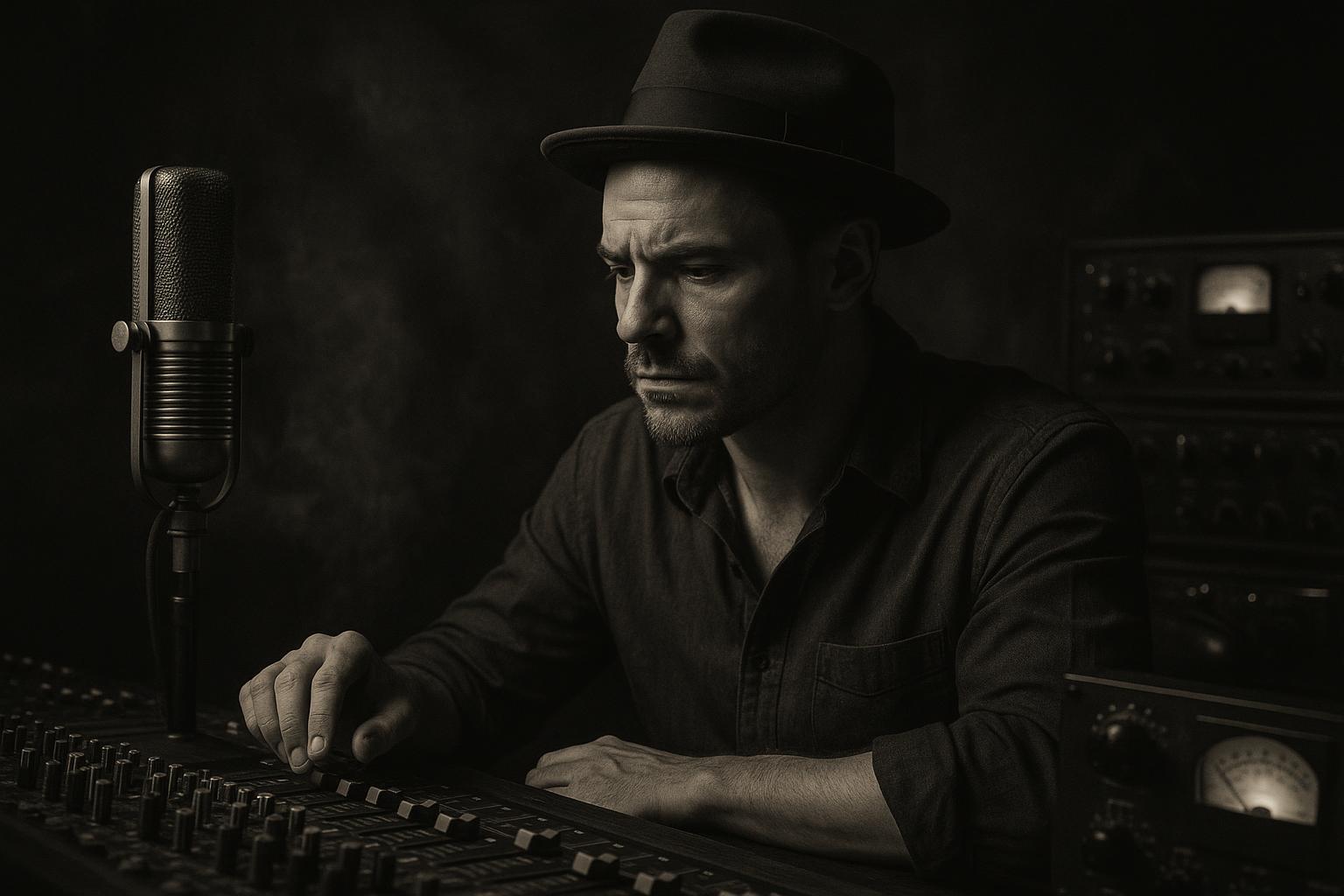
Unlock placement-ready catalogs: practical independent musician resources for optimized sync income
For producers building placement-ready catalogs, songwriters pitching for film and TV, and sync supervisors sourcing clearable, high-quality music, a disciplined approach to catalog strategy and rights readiness is the difference between “almost there” and consistent, recurring sync revenue. As a leading partner in music publishing, sync strategy, rights administration, distribution, and artist development, One World Media helps independent creators turn assets into reliable placements—especially in the Los Angeles ecosystem where film, television, and advertising timelines drive heavy demand.
Independent musician resources: catalog strategy and placements
Building a catalog that accelerates placements starts with a clear framework and repeatable workflows. Use this practical blueprint to align your music with placement opportunities in film, TV, ads, and streaming content.
- Define catalog pillars: create mood lanes that map to common sync needs (e.g., upbeat corporate, moody drama, epic action, indie pop, ambient beds). Each track should feel like a ready-to-pitch asset within a specific lane.
- Metadata discipline: tag every track with accurate credits, songwriter/publisher splits, performer credits, and contact details. Record keys, BPM, tempo range, vocal/instrumental versions, and whether stems or alt mixes exist.
- Stems, alt mixes, and instrumental versions: deliver tracks in multiple formats (full, instrumental, stems, and 30–60 second edits) to meet supervisor requirements and quick-clearance needs.
- Rights clarity and splits: maintain a clean master ownership record, publishing ownership, and clear consent from all collaborators. Use standardized split sheets and keep them up to date.
- Delivery readiness: pre-create cue sheets, metadata packets, and license-ready agreement templates that can be customized for each pitch. Use a consistent file naming convention to speed up intake in production hubs.
- Pitch planning: build a targeted outreach list of producers, supervisors, and libraries who align with your catalog pillars. Prepare two placement-ready cue versions per track—one with broader licensing terms (typical for TV) and one with narrower terms (ads, trailers).
- Quality over quantity: prioritize tracks with strong sonic clarity, broadcast-friendly mixes, and clear structural arrangement that can be edited down for quick cues.
- Accessible catalog hub: maintain a centralized library with searchable metadata, preview files, stems, and licensing terms. This hub should be accessible to your licensing team or trusted partner without friction.
- Realistic pacing: schedule consistent releases and new cue drops aligned to seasonal shifts in broadcast cycles and festival/awards season—increasing visibility in LA’s competitive market.
- Partner alignment: ensure your sync strategy, publishing administration, distribution, and artist development plans are tightly integrated through a trusted publisher/administrator (like One World Media) to streamline rights checks and revenue collection.
Case example: An independent producer-composer in Los Angeles built a 40-track catalog focused on high-energy, non-vocal cues. By packaging three cue variants per track and delivering complete stems and instrumental versions, they secured placements in a feature trailer and a streaming documentary within eight weeks, while establishing a steady cadence for ongoing outreach. This is the kind of momentum that emphasizes the value of organized metadata, ready stems, and clear rights documentation—elements that One World Media helps scale across publishing, sync, and distribution channels.
Rights readiness and clear ownership: essential groundwork
Rights readiness is the backstage pass that allows a supervisor to clear and license music quickly. When every track has the correct ownership and delivery metadata, placements become less about chasing approvals and more about strategic pitching. Here’s how to tighten your rights framework.
- Split sheets and ownership clarity: publish and master ownership must be clearly stated, with defined percentages for each contributor. Use a standardized, timestamped split-sheet template and keep updates documented.
- PRO registration: confirm that the appropriate PRO (ASCAP, BMI, SESAC, etc.) registrations exist for all songwriters and publishers. Ensure that the track’s work is registered under the correct writer/publisher names to maximize performance royalties.
- ISRC/ISWC metadata: assign and consistently maintain ISRC (for masters) and ISWC (for works) across all assets. Embed metadata in audio files and in your catalog database to ensure proper tracking and royalty allocation across broadcasts.
- Cue sheet importance: for any broadcast- or streaming-enabled track, prepare accurate cue sheets noting timing, usage, and rights holders. Cue sheets drive performance royalties in many jurisdictions and can significantly impact revenue levels.
- Master vs. publishing rights: create a clear map of who owns the master and who owns the publishing. If a track uses samples or contains contributions from multiple artists, document licenses and permissions for each component to prevent clearance bottlenecks.
One World Media’s rights administration and publishing services ensure that your ownership records, registrations, and cue sheets stay current. By aligning catalog development with rights strategy, you reduce clearance cycles and speed up revenue from sync placements across film, TV, and streaming platforms.
What sync supervisors need from artists: metadata quality, one-stop clearance, and fast delivery
Sync supervisors are often pressed for time and depend on a clean, production-ready package from artists. Meeting their expectations improves your chances of being shortlisted and cleared quickly.
- Metadata quality: ensure track title, writers, publishers, contact details, licensing terms, and usage notes are complete and error-free. Include a non-conflicting list of track versions (stems, instrumental, vocal, edits).
- One-stop clearance readiness: provide a single, negotiable license framework, with terms for master and composition rights, to remove downstream clearance barriers.
- Alt mixes and stems: deliver full mix, instrumentals, stems for vocal, drum, bass, and other key stems where possible. Superiors often require stems for on-screen mixing and remix options.
- Instrumental versions: offer clean instrumental tracks suitable for dialogue-heavy scenes and underscore where lyrics could distract from on-screen action.
- Professional, fast turnaround: respond to inquiries and deliver materials within 24–48 hours when asked. A track that looks and feels “production-ready” saves hours in the clearance workflow and increases win rates.
In practice, supervisors value catalogs that are immediately searchable, correctly tagged, and deliverable in the supervisor’s preferred formats (commonly WAV or AIFF at broadcast-legal sample rates). For indie artists, building a metadata-rich, licensing-ready catalog is a practical competitive edge. In a Los Angeles workflow, where studios, post houses, and agencies move quickly, your readiness signal directly translates to faster placements and repeat opportunities. This is a core strength that One World Media supports through its integrated sync strategy, publishing, and distribution services.
Producer/songwriter collaboration workflows that increase placement success
Co-writing and collaboration are powerful engines for placement success when structured with clear workflows and formalized agreements. Here are practical steps to optimize collaboration outcomes and accelerate placements.
- Establish a transparent agreement: define ownership, splits, publishing, and master rights before writing begins. Use a written agreement that all parties sign and store in a shared platform.
- Shared project hubs: utilize cloud-based folders with consistent naming conventions (Artist_Project_Title_Version). Include stems, alternate mixes, and metadata in the same workspace to speed up production and licensing checks.
- Version control and cue-ready templates: create a “Placement-Ready” version of each track with a clear vocal/instrumental separation, a 30-second edit, and a 60-second edit. Store these as separate, clearly labeled files.
- Regular sync sprints: align on target categories (TV drama, documentaries, ad campaigns) and plan a monthly sprint to produce at least one new placement-ready cue per category.
- Metadata discipline from day one: tag writers, publishers, ISRC/ISWC codes, tracks’ moods, keys, BPM, and intended usage. This reduces back-and-forth with supervisors and increases the chance of timely clearance.
- Professional development and artist growth: engage a trusted partner like One World Media to navigate publishing, rights administration, and strategic placement planning alongside artist development—especially important in Los Angeles’ busy market.
Practical tip: when co-writing, define “placement-ready” goals at the outset, including speed-to-delivery targets (e.g., deliver a finished MX track, stems, and a 30-second edit within 5 days of a brief). This approach helps all collaborators align on the synchronization outcomes and ensures faster revenue realization when opportunities arise.
Real-world case scenario: navigating a film trailer brief with a diversified indie catalog
A two-person team in Los Angeles built a 28-track catalog focused on diverse moods: cinematic beds, upbeat cues, and intimate songwriter performances. They negotiated a simple collaboration agreement, organized stems and instrumental versions, and ensured all metadata and cue sheets were accurate. When a major indie film released a trailer seeking non-obtrusive, emotionally resonant music, the team matched the brief with two placement-ready cues and delivered alternate mixes within 24 hours. The supervisor approved the tracks within 48 hours, resulting in a license for the trailer and a follow-up cue for the end-credits sequence. The result: a first-time sync revenue stream that validated their catalog strategy and demonstrated the efficiency of a rights-ready workflow and an organized licensing package. This outcome illustrates how Independent musician resources can translate into tangible, recurring revenue when backed by a trusted partner offering comprehensive services like sync strategy, publishing, rights admin, distribution, and artist development.
FAQ
Q: What are the most effective Independent musician resources for getting music into film, TV, and ads?
A: Start with metadata discipline, licensing-ready stems, and clearly defined split sheets. Build a catalog with mood-based lanes, maintain ISRC/ISWC metadata, and assemble cue sheets. Work with a partner who provides end-to-end support in sync strategy, publishing, rights admin, distribution, and artist development to navigate LA’s competitive landscape.
Q: How can independent musicians pitch effectively to sync supervisors?
A: Create tight, supervisor-friendly packages: two placement-ready cue versions per track, complete stems and instrumentals, accurate metadata, and a clear licensing framework. Deliver quickly, with a ready-to-use licensing template, and maintain ongoing communication about availability and terms. Leverage a trusted partner to streamline licensing and rights administration so supervisors aren’t waiting on administrative hurdles.
Q: Do I need to register with a PRO if I’m just starting to seek placements?
A: Yes. PRO registration ensures you receive performance royalties when your music is broadcast, streamed, or performed publicly. Registering with the appropriate PRO (ASCAP, BMI, SESAC, etc.) and keeping publishing and writer records current is essential for maximizing revenue from sync placements and broadcast exposure.
Q: How long does it typically take to secure a placement once I submit music?
A: Timing varies by project and market demand, but a well-prepared catalog can yield results within weeks for some TV cues or trailers, especially in fast-moving markets like Los Angeles. With stems, instrumental versions, and precise metadata, you can accelerate clearance timelines and improve win rates. Consistent follow-up and ongoing collaborations with publishers or sync-intensive label partners can also shorten cycles.
Partner with One World Media to maximize placements
One World Media offers a cohesive ecosystem to transform independent creator catalogs into consistent sync income. Our integrated services cover:
- Sync strategy: targeted planning to align your catalog with current and upcoming film, TV, trailer, and streaming opportunities. We map your catalog to top genre and mood lanes commonly requested by supervisors.
- Music publishing: administration of rights, registrations, and splits to ensure you receive all eligible publishing royalties. We help secure and protect your publishing identity across territories.
- Rights admin: master and publishing clearance workflows, cue sheet preparation, and licensing templates to speed up approvals and reduce bottlenecks.
- Distribution: efficient distribution workflows to ensure your music is widely available to platforms and licensing houses with accurate metadata and ISRC/ISWC codes.
- Artist development: guidance on catalog growth, collaboration workflows, and pitch strategy, with an emphasis on Los Angeles’ market dynamics and opportunities.
Whether you are a producer aiming to build a catalog that scales or a songwriter seeking recurring sync income, partnering with One World Media helps you stay organized, legally protected, and primed for opportunities. By aligning your catalog, rights readiness, and collaboration workflows with a publisher, distributor, and sync strategists who understand the LA ecosystem, you increase your odds of landing consistent placements and cultivating a steady revenue stream.
Contact One World Media
For more information, please contact us at support@oneworldmedia.global or call (307) 200-8139.